When the Wristband Is the Waitlist: Decoding Expo-Only Hardware Drops
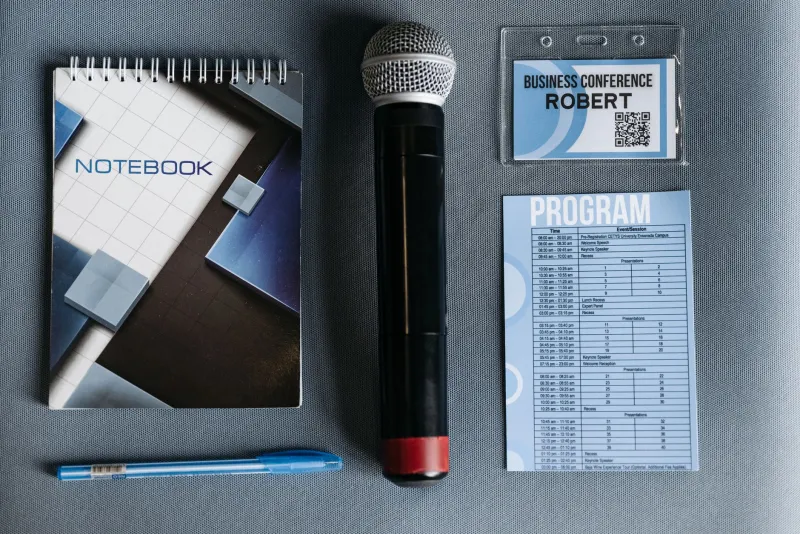
Expo-only hardware drops are becoming a familiar ritual. A company announces a limited preorder window for badge holders, opens a QR code on the show floor, and invites attendees to reserve a unit before the public launch. For US gadget fans, the offer can feel like a reward for making the trip. It can also be a clever way to convert attention into deposits while postponing the harder questions about shipping, support, and whether the product will ever reach a normal retail channel.
What a badge-only drop actually is
The mechanics vary, but the pattern is consistent. A vendor reserves a small allocation of early units or preorder slots for expo attendees. Access may require a badge scan, a wristband, a booth appointment, or a code printed on a lanyard. The deposit may be refundable or not. The promised delivery window may be weeks or quarters away. Sometimes the drop is a genuine early-access program for a product already scheduled for retail. Sometimes it is a market test dressed as exclusivity.
For US buyers, the first question is not whether the product is interesting. It is what legal and practical obligations attach to the deposit. The second is whether the drop tells you anything about the company’s ability to manufacture, ship, and support the device in the United States.
Real launch signal or scarcity theater?
A real launch signal usually comes with verifiable evidence. The product should have a Federal Communications Commission equipment authorization if it includes a radio, which most connected gadgets do. The vendor should be able to state a manufacturing timeline, a shipping window, and a retail plan. The deposit terms should be in writing, including refund conditions. The warranty and return policy should be available before payment. The company should be able to explain how US customers will receive service, software updates, and replacement parts.
Scarcity theater tends to rely on atmosphere instead of evidence. The booth may display a countdown clock, a limited-edition color, or a founder’s plaque. The deposit may be collected through a generic payment link with no written terms. The delivery date may be described as soon or later this year without a quarter. The product may lack an FCC ID, a clear price for the standard edition, or a post-show sales channel. None of these details is automatically disqualifying, but together they suggest that the drop is designed to create commitment before the company has committed to a plan.
The US buyer’s due-diligence script
Before handing over a deposit, ask for the following in writing. What is the total price, including tax and shipping? Is the deposit refundable, and under what conditions? What is the expected delivery window, and what remedies exist if it slips? Which entity is selling the device, and where is it incorporated? What warranty applies, and who performs service in the United States? Does the device carry an FCC ID? What is the return policy if the unit arrives defective or does not match the demo? Will the early unit receive the same software updates as the retail version?
The payment method matters as well. A credit card offers dispute rights that a wire transfer or a peer-to-peer payment may not. Buyers should keep the booth receipt, the written terms, and any email confirmation. If the vendor cannot provide terms before the show closes, the safer assumption is that the drop is a lead-generation exercise, not a launch.
Why vendors do it
Expo-only drops are not irrational. They create a measurable audience, test price sensitivity, reduce inventory risk, and reward the most engaged attendees. For a startup, a badge-only preorder can demonstrate demand to investors and retailers. For an established brand, it can build a community around a new product line. The model can be legitimate. The problem is that the same mechanics can be used to manufacture urgency around a product that is not ready.
US early adopters should also consider state consumer-protection rules. Preorder deposits can fall under laws governing mail-order sales, refunds, and deceptive practices. The specifics vary by state, but the general principle is consistent: clear written terms are better than a booth promise. A vendor that understands the US market will not be offended by the question.
How to decode the drop
A simple three-part screen helps. Green flags: an FCC ID, a written delivery window, a refundable deposit, a named US service partner, and a retail plan that includes the standard edition. Yellow flags: a plausible product with vague dates, a nonrefundable deposit, or a founder’s edition that is the only SKU. Red flags: no written terms, no regulatory filing, no return policy, and pressure to pay on the floor.
The most useful question may be the least exciting: what happens after the expo? A real launch signal survives the trip home. It produces a product page, a support page, and a shipping notice. Scarcity theater produces a receipt and a follow-up marketing email. For US gadget fans, the badge is not the bargain. The written terms are.