The Thermometer Is Part of the Pitch: Auditing 2027 Expo Performance Demos

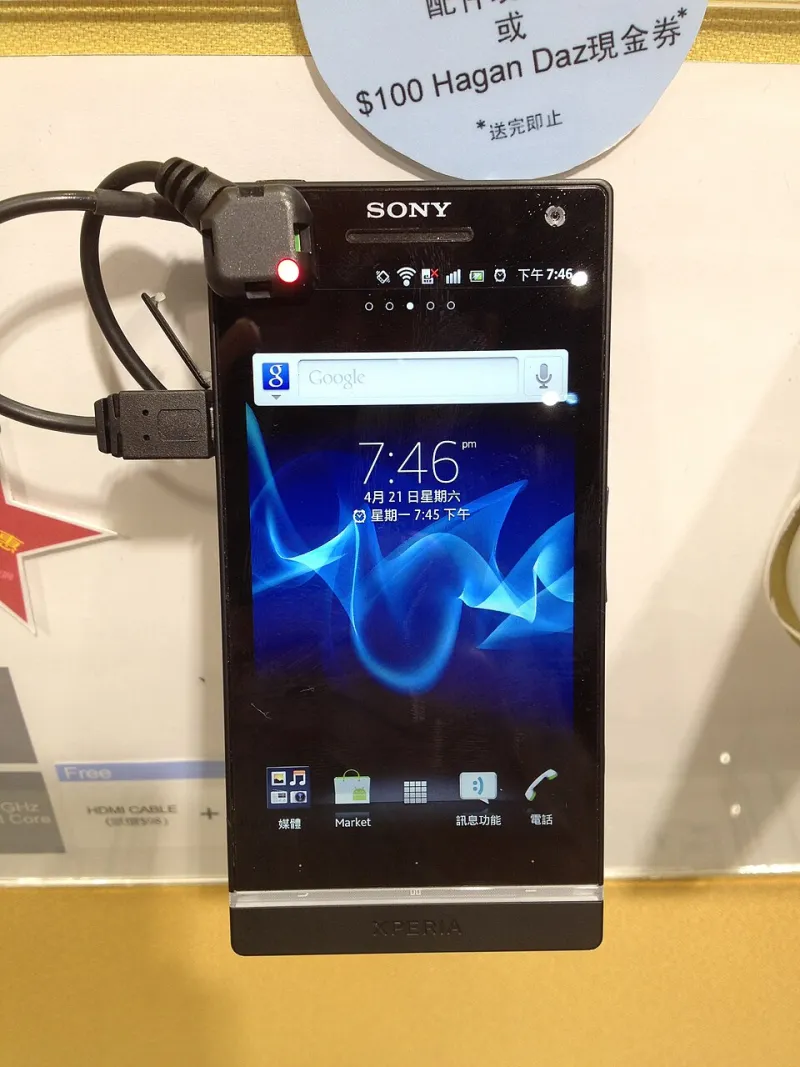
Photo: Norbert Nagel, CC BY-SA 3.0, via Wikimedia Commons
Expo performance demos have a familiar choreography. A device sits on a pedestal, a dashboard shows a rising score, and a presenter explains that the numbers speak for themselves. At the 2027 trade-show circuit, including CES 2027 in Las Vegas, that choreography will be polished further. The risk for US early adopters is not that the demonstrations are fake. It is that they are true under conditions no retail customer will ever reproduce.
A benchmark run is a measurement, but a booth benchmark is a measurement with stagecraft. The device may be pre-warmed, the workload may be hand-picked, the room may be cool, and the comparison unit may be configured differently. None of that requires deception. It does require scrutiny. The practical question for anyone watching 2027 expo coverage is simple: what exactly is being measured, and what would change if the device were used the way Americans actually use gadgets at home, at work, and on the road?
The Pre-Warmed Device Is a Claim of Its Own
Many expo demos begin before the audience arrives. Devices are charged, updated, and sometimes left running a light workload to bring components to a stable temperature. That can make a demo smoother, but it also changes the result. A phone or laptop that starts cold may throttle differently than one that has already settled into a thermal state. A tablet that has been idle for an hour may report a different battery figure than one that has just finished a video call.
None of this makes the demonstration invalid. It makes the setup part of the claim. When a vendor shows a speed score, the useful follow-up is not “is it fast?” but “fast from what starting condition?” Ask whether the device was cold-soaked, pre-warmed, or allowed to idle. Ask how long the run lasted and whether the score is a peak result or a sustained one. A single peak number is a headline. A sustained result is a product.
Hand-Picked Workloads and the Missing Average
Benchmark theater often lives in the selection of tasks. A demo may highlight an AI feature that runs well on a particular model, a game that favors a particular GPU, or a file-transfer test that benefits from a specific cable and drive. Those demonstrations can be legitimate showcases of capability. They are not evidence of broad performance.
The skeptical viewer should look for the distribution, not just the highlight. What happens on the second run? What happens on a competing task the vendor did not choose? What happens when the device is running the background services that ship on a retail unit? At 2027 expos, many demos will involve synthetic benchmarks, which are useful for controlled comparisons but poor predictors of everyday responsiveness. A synthetic score can reveal a ceiling. It cannot tell a US buyer whether a device will feel quick after three years of app updates and photo libraries.
A disciplined question is to ask for a retail-configuration run. If the demo unit is a pre-production build with development software, the score belongs to that build, not to the box that will appear on US store shelves. Vendors should be able to say which firmware, which app version, and which power profile produced the number.
Hidden Cooling, Hidden Power, Hidden Network
Booth environments are not living rooms. Exhibit halls can be cold, and some demonstrations use additional cooling that is not part of the retail package. Others run devices at maximum fan speed, plugged into wall power, with screen brightness reduced and notifications disabled. Each choice can affect performance, battery life, or thermal behavior.
The same applies to connectivity demos. A 2027 expo demonstration of low-latency gaming or cloud-assisted AI may run on a dedicated network with a short path to the server. That is a valid technical showcase, but it is not the same as a home Wi-Fi setup in a dense apartment building or a mobile connection during a commute. US buyers should ask whether the demo used a private network, a wired connection, or a specially provisioned access point. The answer does not discredit the product, but it frames the claim.
Cooling deserves particular attention. If a laptop or handheld is visibly attached to an external rig, the presenter should say so. If a phone is being cooled by an exhibit-hall draft or a hidden fan, that is a material detail. Performance that depends on an accessory is not necessarily bad, but the accessory belongs in the price and the setup story.
The Comparison Unit Is Rarely Neutral
Many expo demos include a side-by-side comparison. The new device is fast; the older device is slower. Sometimes the comparison is fair. Often it is not. The older device may be running an older operating system, a different app build, a depleted battery, or a background process that the new device does not have. The new device may be a hand-selected sample with better silicon.
A useful follow-up is to ask for the comparison unit’s configuration. Was it reset? Was it updated? Was it running the same workload under the same thermal conditions? If the answer is vague, treat the side-by-side as marketing rather than measurement. This is especially important for US early adopters who are upgrading from devices that are two or three years old. The relevant comparison is not always the newest rival; it is the device already on the desk.
What a Meaningful Claim Looks Like
A credible performance claim at a 2027 expo does not need to be boring, but it should be bounded. It should name the workload, the build, the power mode, the starting temperature, and the duration. It should distinguish peak from sustained performance. It should say whether the demo used retail hardware or a pre-production sample. And it should be reproducible by someone other than the vendor’s demo team.
That last point matters. Independent testing takes time, and expo coverage often moves faster than lab work. But early adopters can still apply a simple test: ask what would have to be true for the demo to fail. If the presenter cannot describe a condition under which the score would drop, the demonstration is probably theater. If they can, the conversation has moved from spectacle to evidence.
A Practical Booth Checklist
Before accepting a 2027 performance demo, ask four questions. First, what is the starting state of the device? Second, what workload is running, and is it representative of a retail use case? Third, what environmental or accessory support is in place? Fourth, what does the same test look like after ten minutes, after thirty minutes, and on battery power?
Those questions will not deflate every impressive number. Some 2027 gadgets will genuinely be faster, more efficient, or more capable than their predecessors. But the expo floor is designed to produce peak moments, not average ones. US early adopters should leave the booth with a claim they can test, not a score they can only admire. The thermometer, the power cable, and the chosen workload are part of the pitch. Read them as carefully as the number on the screen.