Freight Before the Hype: Reading Crate Traffic Ahead of the 2027 Gadget Cycle
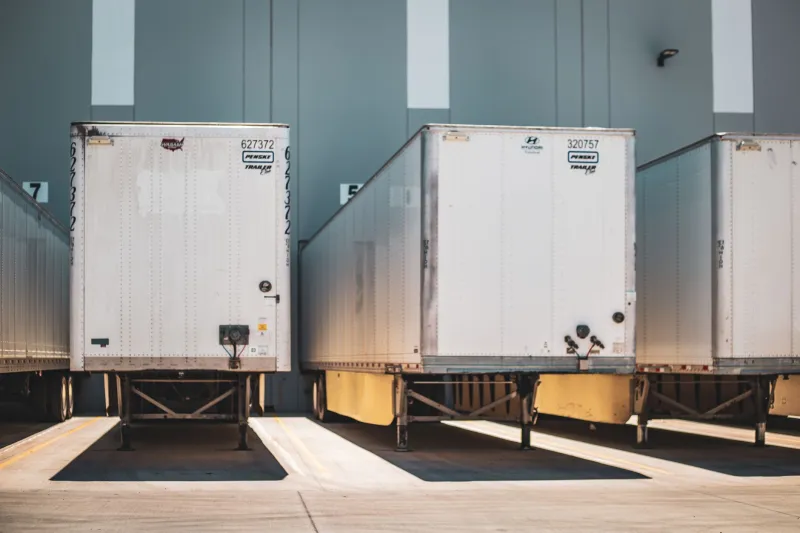
On the show floor, the keynote gets the cameras. Backstage, the loading dock gets the truth. As of mid-November 2026, planning for the 2027 U.S. expo calendar is already visible in venue calendars, exhibitor manuals, and freight schedules. CES 2027 in Las Vegas is weeks away, and the logistics work that precedes it is well underway. For industry watchers and early adopters, that work offers a useful, if imperfect, leading indicator of which emerging gadget categories are moving from concept demos toward commercial readiness.
Freight Is a Leading Indicator, Not a Prophecy
Freight data does not reveal product quality, retail pricing, or whether a device will ship on time. It does reveal intent. A company that books advance warehouse space, orders heavy booth power, and schedules a complex build is making a financial commitment that is difficult to reverse. That commitment can be read alongside public exhibitor lists, venue move-in schedules, and carrier notices.
The key is to treat logistics as one signal among several. A large crate does not guarantee a launch. A small shipment does not guarantee a demo-only prototype. But when freight patterns cluster around a category, they can help explain why certain booths are expanding, why some exhibitors are arriving earlier, and why certain product demos are being staged behind closed doors.
The Public Signals That Matter
Most useful freight intelligence is not secret. It sits in documents that exhibitors, contractors, and venues share as a matter of routine.
- Advance warehouse deadlines. Exhibitors that ship early tend to have more complex builds or more delicate hardware. A category with many exhibitors missing or narrowly making advance warehouse cutoffs may be facing production or configuration delays.
- Move-in schedules and labor requests. Booth build schedules show how much time a company believes it needs. Requests for specialized labor, rigging, or climate control can indicate large-format displays, robotics, or sensitive prototypes.
- Crate dimensions and weight. Heavy or oversized shipments often point to demonstration hardware that is not yet miniaturized. That does not rule out a consumer product, but it suggests the show floor version may differ from the retail version.
- Power and network orders. High power draw can signal advanced computing, robotics, or charging infrastructure. Heavy connectivity requests can signal live streaming, remote operation, or cloud-dependent demos.
- Last-minute shipments. Emergency freight and expedited handling are expensive. When they rise across a category, it may indicate late-breaking prototypes, delayed components, or a scramble to meet a show deadline.
- Repeat versus first-time exhibitors. A cluster of first-time exhibitors in one category can suggest a wave of new entrants. A cluster of repeat exhibitors expanding their space can suggest confidence and planned retail activity.
None of these signals is decisive alone. The value comes from patterns. If several exhibitors in a category are booking larger booths, shipping earlier, and requesting more power than they did in previous cycles, that is a stronger signal than any single manifest.
Reading Categories, Not Just Crates
For 2027, freight patterns are likely to be most informative in categories where hardware complexity is high and demonstration depends on physical presence. That includes modular computing, advanced wearables, home robotics, and next-generation charging and battery systems. These are categories where a prototype cannot be fully evaluated from a spec sheet, and where exhibitors have reason to invest in substantial booth infrastructure.
The signal is weaker in software-heavy categories or products that can be demonstrated on a standard screen. A company showing an app or a service may book a small booth and ship very little. That does not mean the product is unimportant. It means freight data is not the right lens for that category.
Early adopters should also watch the origin and destination patterns that appear in public contractor notices and venue logistics updates. A concentration of shipments from a particular manufacturing region can suggest that a category is moving from sample production to broader allocation. But this is circumstantial evidence. It should be triangulated with public regulatory filings, retail listings, developer documentation, and prior show behavior.
What Freight Cannot Tell You
Freight data cannot confirm a launch date. It cannot confirm a price. It cannot confirm that a device will be available in the U.S. market. Many companies ship demonstration units that are never sold. Others ship retail-ready products that are delayed by certification, retail negotiations, or supply constraints.
There is also a risk of overreading. A single expedited shipment may reflect a damaged crate, not a broken supply chain. A large booth may reflect marketing ambition rather than production capacity. For that reason, freight should be used to generate questions, not to deliver verdicts.
A Practical Pre-Show Routine
For FutureXpo readers who want to use logistics signals without insider access, a simple routine helps.
- Start with the public exhibitor list and venue move-in calendar. Note which categories are expanding their footprint.
- Review exhibitor manuals and contractor guidance for deadlines, surcharges, and handling restrictions.
- Track public carrier and venue notices for capacity constraints, embargoes, or schedule changes.
- Compare current booth sizes and logistics requests with previous cycles where public information allows.
- Check public regulatory databases and retail listings to see whether freight signals align with other evidence.
- After the show, compare the pre-show signals with what actually shipped. That feedback loop is more valuable than any single prediction.
The loading dock will never replace the keynote as theater. But it can serve as an early warning system. In the 2027 gadget cycle, the most useful question may not be which booth has the longest line. It may be which category has the fullest crates, the earliest move-in, and the most expensive last-minute shipment.